


Managing the Confidence Dip at U13–U15: Why So Many Girls Quit and How to Stay In
- Amber Treweek
- Mar 31
- 3 min read


Between the ages of 13 and 15, many girls start to question their place in football.
A sport that once felt natural and exciting can begin to feel intimidating, uncertain, and even overwhelming.
This stage often comes with a noticeable “confidence dip,” where players doubt their ability, worry about mistakes, and compare themselves to teammates or opponents. Unfortunately, it’s also the age when a lot of girls decide to stop playing altogether.
Yet this period doesn’t have to mark the end of their football journey, understanding what’s happening and how to respond can make a huge difference.
A big part of this shift comes from changes happening both physically and socially. The early teenage years bring growth and development that can temporarily affect coordination, speed, and strength.
Movements that once felt easy might suddenly feel awkward, which can lead to frustration and self-criticism.
At the same time, the social world around football changes too.
New schools introduces new friendships, social media, and pressure to fit in. Some girls become self-conscious about their bodies or worry about how they’re being seen by others.
On the pitch, the competitive environment also intensifies.
Teams often become more performance-driven, games get faster and more physical, and players might start attending trials for higher-level squads.
For someone who’s still adjusting, it’s easy to feel behind or not good enough.
Add to that the challenge of not always seeing enough relatable female role models in the game, and it’s clear why confidence can take a hit.
But the good news is that this dip is not permanent and there are practical ways to push through.
One of the most important things for players to focus on is what they can control: effort, attitude, and small personal wins.
Instead of obsessing over selection or results, they can track their own improvements, like learning a new skill or simply working hard in training.
It’s also important to remember and celebrate strengths.
Every player has qualities that make them valuable, maybe it’s speed, vision, tackling, or communication and training with those in mind helps rebuild belief.
Mistakes should be reframed as part of growth rather than proof of failure.
Saying “I’m bad” after an error only reinforces fear, whereas thinking “That didn’t work, what can I try next time?” builds resilience and problem-solving.
Finding supportive spaces also matters; some environments can feel overly critical or results-driven, so exploring sessions or programmes that emphasise development and enjoyment can reignite motivation.
Coaches and parents have a huge role in helping girls stay in football during these years.
Encouragement is far more powerful than over-analysis.
Players get plenty of technical feedback at training, so the journey home or post-match conversations are better spent focusing on positives and letting them decompress.
Role models are vital too, showing young players examples of women thriving at every level, not just professional stars, helps them see a future for themselves in the sport.
Parents and coaches can also normalise the physical changes that teenage girls go through and explain how strength training, good nutrition, and smart recovery support performance.
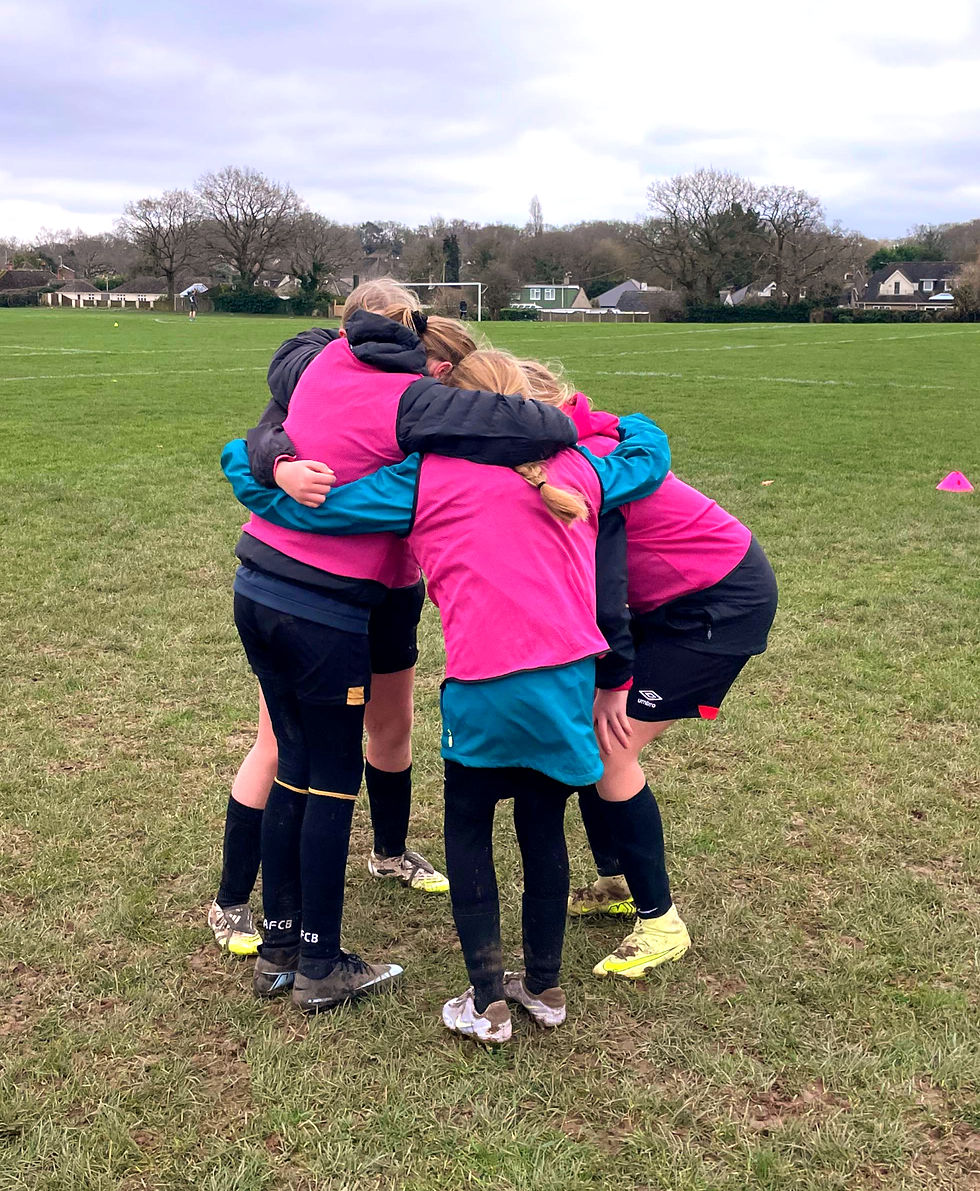
And perhaps most importantly, building a sense of belonging within a team can keep girls connected to the game. Strong friendships and a positive culture create an environment where mistakes are safe and effort is valued.
Pushing through the confidence dip at U13–U15 can feel tough, but it’s also a turning point.
Players who stick with the game through this stage often emerge stronger, more self-aware, and more resilient.
These are the years where growth matters more than perfection.
Football can continue to be a place of fun, fitness, identity, and opportunity but staying connected requires patience and support.
For any girl doubting herself right now, know that you’re not behind and you’re not alone.
Confidence isn’t something you’re born with; it’s a skill that can be built, one training session at a time.


Comments